There are no items in your cart
Add More
Add More
| Item Details | Price | ||
|---|---|---|---|
August, 2026
Author:Team Rodha

Working professionals preparing for MBA interviews face a different constraint from full-time aspirants: preparation has to fit around an existing job. For candidates targeting FMS and XLRI, that makes the structure of GDPI coaching for working professionals as important as the content itself.
A schedule that looks flexible but repeatedly clashes with meetings, travel, or late working hours will not create enough time for speaking practice. The better approach is to choose a format that gives you consistent opportunities to practise, receive feedback, and improve before the interview, especially when using GDPI for introverts to build confidence in structured speaking situations.
FMS currently gives the personal interview a significant role in its selection process, while other assessed components also require candidates to communicate clearly under time pressure. XLRI similarly requires candidates to move quickly from shortlist preparation into profile-based interviews and follow-up questions. This means GDPI coaching for working professionals should be planned around repeated speaking practice rather than passive learning alone. The three practical scheduling models are weekend intensive, weeknight modular, and async self-paced preparation.
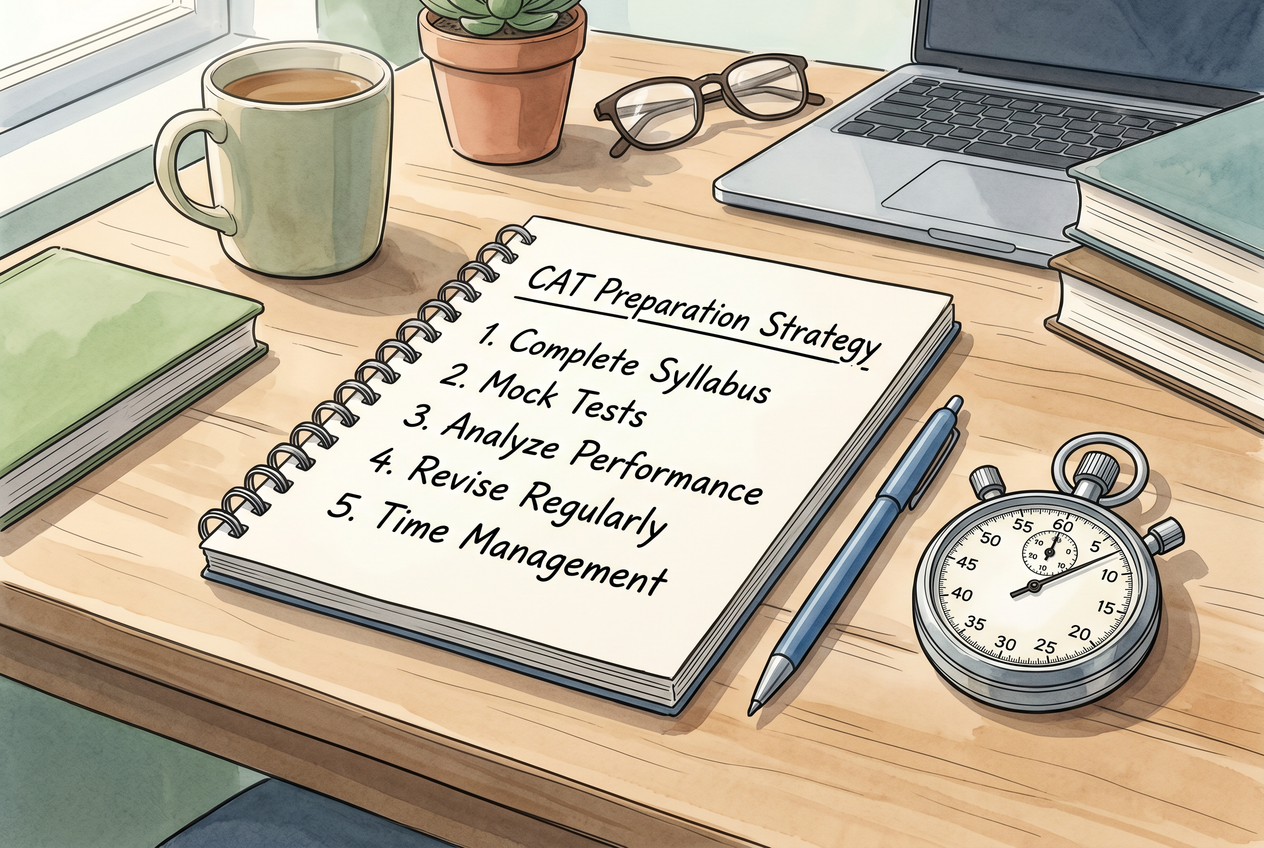
The right preparation model depends first on your working schedule and only then on your preferred learning style. A candidate with unpredictable weekdays may benefit from concentrated weekend sessions, while someone with predictable evenings can gain more from shorter sessions spread across the week. Candidates with highly variable schedules can use self-paced resources, but they still need a reliable plan for live mock interviews. Good GDPI coaching for working professionals should therefore make live practice possible without requiring you to pretend that your work calendar is more predictable than it is.
| Scheduling Model | Best Fit | Main Advantage | Main Risk |
|---|---|---|---|
| Weekend Intensive | Unpredictable weekdays | Concentrated live preparation | Long gaps between practice |
| Weeknight Modular | Predictable evenings | Frequent practice and feedback | Work calls can disrupt sessions |
| Async Self-Paced | Changing schedules | Maximum flexibility | Easy to postpone live practice |
Weekend preparation works well when your weekdays are dominated by meetings, client calls, travel, or unpredictable work hours. The main advantage is that you can protect a substantial block of time without repeatedly negotiating with your work calendar. However, GDPI coaching for working professionals cannot depend entirely on weekend attendance because speaking skills improve through repetition between sessions. Short weekday rehearsals can bridge that gap and keep answers fresh.
A useful weekend session should involve more than a long lecture followed by notes. Use the available time for profile discussions, personal interview questions, extempore practice, current-affairs discussions, and feedback on actual answers. Candidates preparing for FMS should also practise the specific speaking components that may form part of the selection process rather than treating everything as a generic PI. For XLRI, weekend practice can focus on work experience, career transitions, business awareness, and questions that test judgment.
The biggest risk with a weekend model is confusing exposure with improvement. You may understand how a strong answer should sound during Saturday's session but still struggle to deliver it naturally seven days later. A better GDPI strategy combines the weekend session with 10 to 20 minutes of speaking practice on selected weekdays. Record your answers, review the feedback, and attempt the same question again instead of simply moving to new material.
Weeknight preparation is useful when you can reliably protect two or three evenings after work. Instead of concentrating everything into one long session, the model creates a shorter cycle of learning, speaking, feedback, and revision. This makes GDPI coaching for working professionals easier to integrate into a normal working week when your evenings are relatively predictable. It also gives you more opportunities to identify and correct weak answers before they become habitual.
A practical weekly structure could include one profile-preparation session, one live speaking or mock session, and one short revision block. The profile session can cover your work history, achievements, failures, leadership examples, career goals, and reasons for pursuing an MBA. The speaking session can then test those answers through follow-up questions rather than allowing you to rely on memorised responses. The final revision block should focus on improving the answers that performed poorly.
The weakness of this model is that work can interfere with recurring commitments. A late meeting every Tuesday can quickly turn into repeated missed sessions, which defeats the purpose of a modular schedule. Before choosing GDPI coaching for working professionals, look at your actual calendar from the previous month rather than assuming that future evenings will be free. If work regularly changes your schedule, a weekend-heavy model may provide more dependable live preparation.
Self-paced preparation is useful for candidates who travel frequently, work shifts, or cannot guarantee attendance at fixed sessions. Recorded lessons can help you review current affairs, interview frameworks, profile questions, and other preparation material whenever you have available time. However, work experience benefits GDPI preparation becomes incomplete if flexibility removes live interaction altogether. Interviews are interactive, so candidates need opportunities to respond to unexpected follow-ups under realistic conditions.
A self-paced model works better when you build live practice into the calendar yourself. Book mock interviews in advance, record answers between sessions, and maintain a list of questions that you could not answer confidently. After receiving feedback, repeat those questions instead of assuming that understanding the correction means you have fixed the problem. This creates the feedback loop that a purely recorded preparation system may otherwise lack.
Preparation should begin with a common profile rather than waiting for a shortlist. Your work history, academic background, achievements, failures, career transitions, goals, and reasons for pursuing an MBA should be organised before interview calls begin. This is particularly important for working professionals because a strong career history can generate detailed follow-up questions. GDPI coaching for working professionals should therefore help you build the underlying story before moving heavily into school-specific mock interviews.
For FMS, candidates should understand the components assessed during the selection process and prepare for each one separately. The personal interview requires structured answers, while speaking-based components require the ability to organise thoughts quickly and communicate them clearly. Do not assume that being articulate at work automatically translates into strong performance in an MBA interview. Repeated timed practice is useful because it exposes hesitation, excessive detail, weak examples, and unclear reasoning.
XLRI preparation also benefits from early profile work followed by intensive mock practice once interview schedules become clearer. Candidates with several years of experience should expect questions about career choices, management exposure, industry knowledge, achievements, failures, and future goals.
At Rodha, we approach GDPI preparation around the practical demands of the interview rather than treating it as another content-heavy course. For working professionals, the focus should be on organising your profile, understanding likely questions, practising spoken responses, and using feedback to improve subsequent attempts. GDPI coaching for working professionals should fit around genuine work commitments while still creating enough accountability to keep preparation moving. The objective is to build a repeatable routine rather than depend on last-minute preparation after receiving a shortlist.
Our GDPI and GK preparation resources can support candidates working through current affairs, interview questions, and other areas relevant to MBA selection. Candidates can use structured practice to build familiarity with common themes and then move into spoken rehearsal. The exact schedule should depend on your work calendar, target schools, and time available before interviews. This makes the preparation process more realistic for candidates balancing a demanding job with MBA applications.
For candidates who need a structured system, GDPI coaching for working professionals should ultimately provide three things: a clear preparation plan, opportunities for live practice, and feedback that changes the next attempt. Weekend candidates can use concentrated sessions with short weekday drills, while candidates with predictable evenings can distribute practice across the week. Candidates with highly variable schedules can combine self-paced resources with scheduled mock interviews.
Explore all our courses today!
Weekend preparation can work when weekdays are genuinely unpredictable and you supplement sessions with short speaking drills. The key is to avoid leaving all practice until the following weekend. GDPI coaching for working professionals works better when feedback from one session is applied before the next session.
Yes, most of your profile preparation can be shared between the two schools. Build your work history, career goals, academic background, achievements, and MBA rationale first, then add school-specific preparation as interview dates approach. Good GDPI coaching for working professionals should help you maintain this common foundation while adapting your practice to each institute.
There is no fixed number that guarantees interview readiness. A better approach is to protect recurring time for profile work, current-affairs preparation, live speaking practice, and feedback-based revision. GDPI coaching for working professionals should fit into a schedule you can maintain consistently rather than depend on an unrealistic burst of preparation.
Self-paced resources can cover concepts, current affairs, frameworks, and sample questions, but they should not replace live interview practice. You need to experience follow-up questions and practise responding without preparation time. For that reason, GDPI coaching for working professionals using an async model should include scheduled mock interviews and feedback.
Start with your real work calendar and identify when you can consistently protect live practice. Choose weekend intensive if weekdays are unpredictable, weeknight modular if your evenings are stable, and self-paced preparation if your schedule changes frequently. The best GDPI coaching for working professionals is the model that allows you to complete practice, receive feedback, and improve before the interview.